
Which Syringe Filter Should Be Used for Heparin Samples?
For aqueous solutions containing heparin, AQ™ Regenerated Cellulose (RC) Syringe Filters are typically the preferred membrane choice.
Regenerated cellulose membranes offer:
- Low analyte binding
- Excellent compatibility with aqueous samples
- High recovery of charged compounds
- Reliable HPLC, UHPLC, and bioanalytical sample preparation
These characteristics help minimize analyte loss during filtration.
Why Nylon Membranes May Not Be Suitable
Heparin contains highly acidic sulfate and sulfonate groups that are negatively charged in solution.
Because of these chemical properties, heparin may interact with nylon membrane surfaces, potentially resulting in:
- Reduced analyte recovery
- Lower measured concentration
- Inconsistent analytical results
For this reason, nylon membranes are generally not recommended when maximum heparin recovery is required.
Why PTFE Membranes Are Usually Not Recommended
PTFE membranes are highly chemical resistant but are naturally hydrophobic.
As a result:
- Aqueous solutions do not readily pass through untreated PTFE membranes
- Filtration of water-based heparin solutions may be difficult or impractical
- Alternative hydrophilic membranes are usually preferred
For most aqueous heparin applications, regenerated cellulose provides a more appropriate filtration option.
Recommended Membrane for Heparin Filtration
When preparing heparin-containing samples for chromatography or other analytical testing:
Recommended Membrane: Regenerated Cellulose (RC)
Typical Application Areas:
- HPLC sample preparation
- UHPLC sample preparation
- Pharmaceutical analysis
- Bioanalytical testing
- Heparin assay methods
- Aqueous sample filtration
Key Takeaways
- Heparin is a highly charged analyte that may interact with certain membrane materials.
- Regenerated Cellulose (RC) membranes are typically the preferred choice for heparin filtration.
- Nylon membranes may reduce recovery due to membrane interactions.
- Hydrophobic PTFE membranes are generally not suitable for aqueous heparin solutions.
- Proper membrane selection helps maximize analyte recovery and data quality.
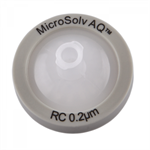
25mm Regenerated Cellulose Filter